

Hyderabad : The moment alcohol enters your system, your body treats it as a top priority to clear. Dr Chetan Kalal, DM Hepatologist and Liver Transplant Specialist, Saifee Hospital, Mumbai, says, "Your liver does all the work of clearing alcohol well over 90% of it. It first converts alcohol into acetaldehyde, a chemical that damages liver cells and is also a known cancer-causing substance and then breaks that down into a harmless compound called acetate. When you drink heavily in one sitting this system gets overwhelmed."
This immediate influx causes significant biochemical stress inside the organ. Dr Amit Miglani, Director and Head, Department of Gastroenterology, Asian Hospital, says, "When alcohol is drunk, the liver is the major place where the alcohol is metabolised. Ethanol is metabolised first to the toxic compound acetaldehyde and then to acetate, which is further broken down. This can lead to oxidative stress and other metabolic changes in the liver cells."
Dr Chetan further explains, "Acetaldehyde builds up the liver produces oxygen 'free radicals and its normal fat-burning shuts down. Within hours, fat starts collecting inside liver cells. A single binge also makes the gut temporarily 'leaky' letting bacterial toxins reach the liver and trigger inflammation. Because the liver is busy with alcohol it stops releasing sugar into the blood, which is why some people wake up shaky, weak or with dangerously low sugar."
How long does alcohol metabolism really take?
Despite common misconceptions about speeding up the process, clearing alcohol follows a strict physiological timetable. Dr Bhushan Bhole, Senior Consultant, GI Surgery and Liver Transplantation, PSRI Hospital says, "Alcohol gets into the bloodstream pretty quickly but it leaves it at a much slower and more regular rate. The liver does most of the work but a small amount of alcohol is also eliminated through the lungs, urine and sweat."
The speed at which the body processes alcohol is surprisingly fixed. Dr Chetan says, "On average the liver clears one standard drink, about 10 grams of pure alcohol per hour and nothing can speed that up. One 60 ml peg of whisky is two standard drinks; a 650 ml bottle of strong beer is about four. So someone who has five pegs at night may still have alcohol in the blood at 8 or 9 the next morning and may be unfit to drive even if they feel fine."
Dr Bhushan adds, "People should not try to use coffee, exercise, a cold shower or sleep to work out when alcohol has left their system. These things may make a person feel more alert, but they do not significantly speed up alcohol metabolism."
The reality of liver recovery
Once the alcohol is out of your blood, the liver's true healing work begins—and it doesn't happen overnight. Dr Amit says, "Too much alcohol consumption can cause fat accumulation relatively quickly but it doesn't mean every time you get drunk it will cause permanent liver damage. If heavy drinking is repeated, the concern is much greater."
Addressing popular hangover remedies, Dr Chetan says, "A shower, lemon water, 'detox' drinks and liver tonics do not make the liver clear alcohol faster. Some herbal 'detox' products can themselves injure the liver. For a hangover avoid taking doses of paracetamol and never mix painkillers with more alcohol. The only things that help are water, food, sleep and time."
Dr Amit reinforces this view on detoxing: "The best thing to do after heavy drinking is to give the body a break and not drink more alcohol. Recovery is a biological process, not something you can speed up with a detox drink or supplement."
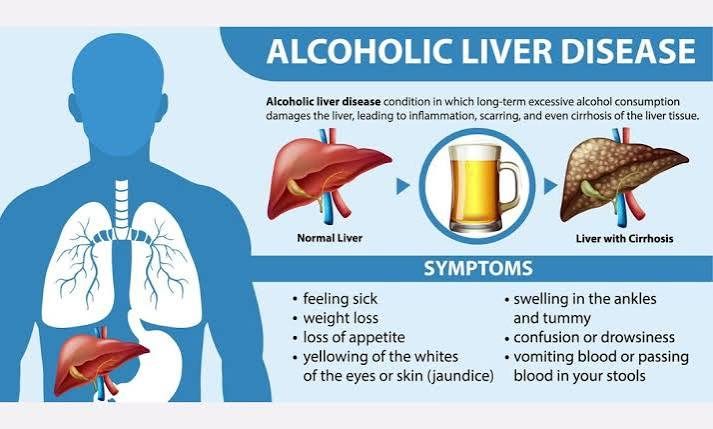
Dr Chetan notes how long tissue healing actually takes: "The alcohol itself is gone within hours. The liver takes longer. The fat that builds up after a binge usually clears within days to two weeks of not drinking. The liver is remarkably forgiving, only if it is given time. The real danger is the weekend pattern: binge on Saturday before the liver has recovered, binge again. Repeated injury leads to fatty liver, inflammation (alcoholic hepatitis) scarring (fibrosis) and finally cirrhosis."
Long-term effects and warning signs
Continuous heavy drinking can turn temporary stress into permanent structural damage. Dr Amit says, "If heavy drinking is a one-off and the person’s liver is otherwise healthy, stopping drinking allows the liver to recover. But if you keep drinking heavily again and again, you can turn temporary changes into chronic inflammation and scarring."
Dr Chetan shares a concerning trend from clinical practice: "In my practice I now see people in their late twenties and thirties with alcoholic hepatitis and cirrhosis many of whom never considered themselves heavy drinkers because they only drank on weekends."
Certain groups are also far more vulnerable to acute injury. Dr Chetan says, "Mostly, women, people who drink on a stomach and anyone who already has fatty liver, diabetes, obesity or hepatitis B or C are at a higher risk. Their liver is already under strain and a single binge can push them into serious injury."
Dr Bhushan highlights the adaptive nature of the organ while cautioning against over-reliance on it: "The liver is particularly good at healing itself, especially in the early stages of alcohol-related injury. That doesn't mean that binge drinking is harmless, though. Continued exposure can cause the liver to lose its ability to regenerate over time."
Dr Bhushan further adds, "If heavy drinking is a pattern, it’s worth having the conversation with a doctor about alcohol intake and liver health, rather than waiting for symptoms."
Dr Chetan outlines critical physical symptoms that demand immediate medical attention: "Bloodshot eyes or blood in urine or vomiting, black stools, confusion or excessive drowsiness, severe abdominal pain or vomiting that does not stop, if you see any of these symptoms you should immediately see a doctor. These are emergencies, not hangovers."
Dr Chetan concludes, "A hangover wears off in a day; the damage, to your liver does not. There is no level of alcohol but if you do drink, give your liver alcohol-free days to recover and get a simple liver test and FibroScan if you drink regularly."