
Makkah : Civil Defence later confirmed that the danger had passed and urged residents to continue following safety instructions.
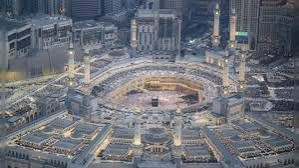
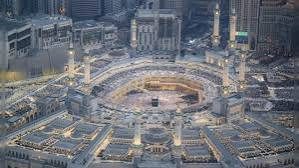
Worshippers perform Tawaf around the Holy Kaaba at the Grand Mosque in Makkah during Ramzan’s final nights.
Saudi Arabia’s National Early Warning Platform issued alerts for Makkah City, Taif Governorate, Tabuk Province, Jeddah Governorate and Tanbu Governorate on Thursday, September 24.
The platform asked people who received the warnings to follow official safety instructions and move to a secure location until the threat had passed.
Civil Defence says danger has passed : The Saudi Civil Defence later announced that the danger was over. It urged the public to continue complying with its instructions and avoid gatherings and filming.
The safety guidance advised people indoors to remain inside and stay away from windows, glass, balconies and rooftops. Those outside were told to seek shelter in a nearby building or behind a solid barrier.
Drivers who received an alert were advised to pull over away from bridges and high-rise buildings.
People were also asked to avoid dangerous locations and not take photographs or record footage of the situation.
For emergencies, 911 is available in Makkah, Madinah, Riyadh and the Eastern Province, while 998 serves other regions of the Kingdom.
Coalition reports missile interceptions
Following Thursday’s alerts, Saudi-led coalition spokesperson Major General Turki Al-Malki said in a series of posts on X that air defences had thwarted an attempt to target Taif and Yanbu.
Al-Malki said six ballistic missiles launched by the Houthis had been intercepted and destroyed. He added that the escalation and violations by the Houthi militia would be dealt with firmly.
Makkah warning follows recent drone incident
Thursday’s alert marked the second warning issued for Makkah in less than 10 days.
On September 16, Saudi authorities said air defences had intercepted and destroyed a drone launched towards Makkah the previous day. The Saudi-led coalition said the drone was brought down south of the holy city before entering its restricted airspace.
The coalition attributed the launch to Yemen’s Iran-backed Houthi group, while the Houthis rejected the allegation and called the claim that the drone was heading towards Makkah a “lie”.
Saudi authorities described the incident as the second reported attempt to target Makkah. The first involved a ballistic missile launched towards the holy city in July 2017.
On September 19, Saudi authorities said air defences had intercepted and destroyed a ballistic missile launched towards Riyadh.
In a separate incident, debris from an intercepted Houthi drone fell in Taif, killing a Yemeni resident and injuring two others.
Fighting escalates after years of relative calm: The latest incidents follow a renewed escalation that began in July, when the Houthis launched missiles towards Saudi Arabia, ending a period of relative calm that had lasted since a 2022 truce.
The July escalation followed an attack on Sanaa International Airport’s runway by Yemen’s Saudi-backed government forces. The forces said the operation was aimed at preventing an Iranian aircraft from landing at the airport. The Houthis subsequently launched missiles towards Saudi Arabia, according to Reuters.
The renewed fighting has since included attacks and attempted attacks involving several Saudi locations, including Riyadh, Taif and Yanbu, increasing security concerns across the region.