
Asian Games: India face Pakistan in the Asian Games cricket final in Nisshin, with the handshake question returning after Indian players avoided handshakes at recent ICC and ACC events.
India captain Shreyas Iyer and his teammates shake hands with Sri Lanka players after their Asian Games semi-finals in Nisshin on Thursday
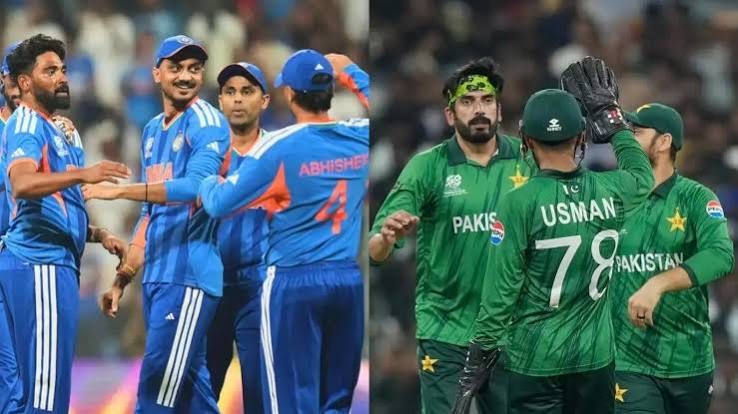
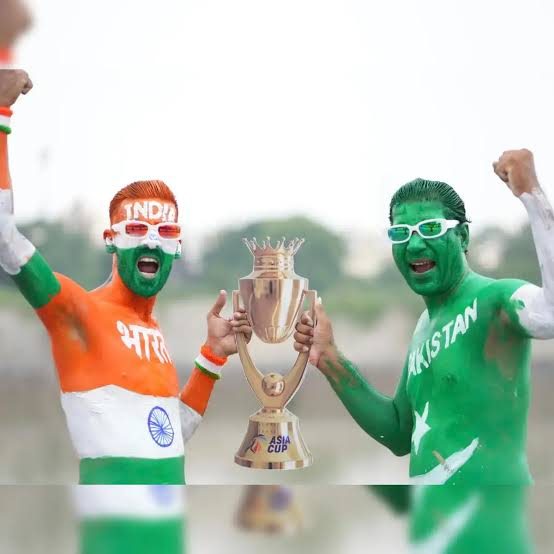
India will face Pakistan in the Asian Games cricket final in Nisshin, raising questions about whether players will exchange handshakes.
Indian players have previously refused to shake hands with Pakistani counterparts in Asia Cup and ICC events since 'Operation Sindoor' last year.
The Olympic Council of Asia (OCA) and International Olympic Committee (IOC) rules do not mandate handshakes, but it is considered standard sportsman-like conduct.
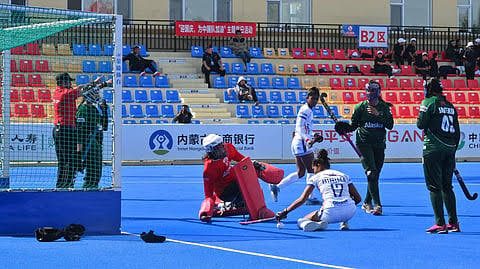
Other Indian athletes at the ongoing Asian Games have engaged in customary handshakes with Pakistani rivals in disciplines like table tennis and squash.
BCCI secretary Devajit Saikia will make the final decision on the handshake protocol for the cricket team, with ICC chairman Jay Shah also expected to attend.
India will once again be confronted with the handshake question when they square off against bitter rivals Pakistan in the Asian Games final in Nisshin on Saturday and there are no clear answers on whether pleasantries will be exchanged in line with how athletes in other disciplines have done so far.
India's 124-run win over Sri Lanka in the semifinal on Thursday set up the clash that becomes as much about off-field drama as the cricket on it.
The No-Handshake Policy
The build-up to the game once again will be dominated by elaborate discussions and on whether the two teams will shake hands.
The Indian players have so far refused to shake hands with their Pakistani counterparts in the Asia Cup and ICC events since Operation Sindoor last year to show solidarity with the Indian armed forces.
That no-handshake policy with Pakistan is set to continue in Asian Cricket Council and International Cricket Council events but will it be extended to the continental event organised by the Olympic Council of Asia (OCA)?
Sportsmanship and Olympic Rules
The OCA or the International Olympic Committee (IOC) rules don't make it mandatory for players to shake hands but it is considered a standard in the manual of sportsman-like conduct. At the 2016 Olympics, Egyptian judoka Islam El Shehaby refused to shake hands with Israeli athlete Or Sasson.
The IOC did not fine him but did reprimand him for breaking the "rules of fair play and spirit of friendship". He was eventually sent home by his own team. Due to an ongoing war, Ukrainian athletes have also refused to shake hands with Russian and Belarusian opponents in different sporting events.
Decision-Making and Precedents
It remains to be seen if the Indian cricket team management sticks to status quo or there is a handshake with the Pakistan players after the game. Shaking hands with Pakistani rivals has, after all, not been an issue for the other Indian athletes competing at the ongoing Asian Games in Nisshin.
For cricket, the call will be taken by BCCI secretary Devajit Saikia after he reaches Nagoya for the final. Even ICC chairman Jay Shah is expected to attend the game. In the table tennis and squash competition of the ongoing Asian Games, Indian players were seen doing a customary handshake with their Pakistani rivals.
Handshake or not, India and Pakistan players will have to share the podium irrespective of what happens in the final, like the women's team did after winning gold last week. The gold-winning women's team did not play eventual bronze medallists Pakistan in the tournament but shared the podium with the players of that country. Sri Lanka finished runners-up to India in the women's final.