
Hyderabad : Veteran actor Nana Patekar passed away at the age of 75 in Goa on Thursday. According to a confirmation from Manipal Hospital, Goa, the actor was found unconscious at his Dona Paula residence and rushed to the hospital, where doctors declared him brought dead.
Reports of his death have mentioned cardiac arrest, and many people use the term interchangeably with heart attack. Cardiologists say the two are different conditions.
Are cardiac arrest and heart attack same?
Dr Sanjay Chugh, Director, Cardiology at Aakash Healthcare, said: "Cardiac arrest and heart attack are confused as the same thing, but they are two different medical conditions.
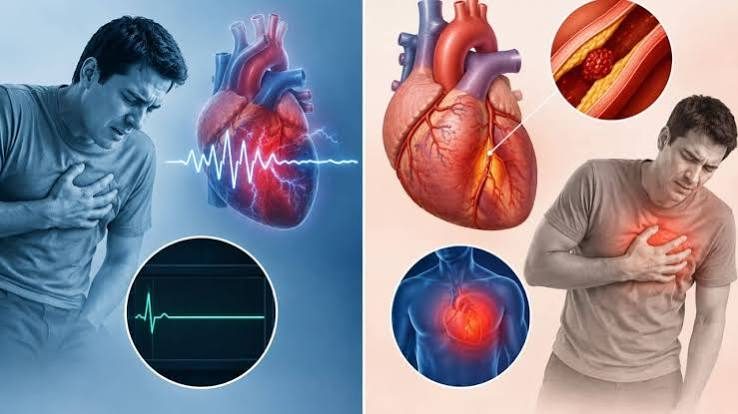
A heart attack occurs when blood flow to part of the heart muscle is suddenly blocked, usually by a blood clot or a build-up of fatty deposits in a coronary artery. During a heart attack, the heart will still be beating most of the time, but the person may feel chest pain, breathlessness, sweating, nausea or discomfort in the arm, jaw, back or upper abdomen."
He added: "Cardiac arrest, however, is primarily an electrical problem.
The heart beats out of rhythm in a dangerous way and stops pumping blood well. The person may fall, become unresponsive and stop breathing normally or start gasping. This makes cardiac arrest an immediate emergency where life is on the line."
How the two are linked
The two conditions can be related, Dr Chugh explained. "A heart attack can damage the heart's electrical system and cause cardiac arrest, but cardiac arrest can occur for other heart-rhythm problems and does not necessarily mean the person has had a heart attack."
What happens during cardiac arrest
Dr Ravi Prakash, Senior Consultant Cardiologist at PSRI Hospital, said: "When there is cardiac arrest, the heart's ability to pump blood effectively suddenly stops. Within seconds the blood flow to the brain and other vital organs drops dramatically and the person becomes unconscious and stops breathing normally.
That's why cardiac arrest is a medical emergency and every minute counts."
What to do in an emergency
According to Dr Prakash, "The first thing to do is to realize the person is not responding and not breathing normally and call for emergency medical help, start CPR and use an automated external defibrillator (AED) as soon as one is available.
CPR maintains some blood flow to the brain and other vital organs until the heart rhythm can be restored with defibrillation or advanced medical treatment."
Warning signs not to ignore
Dr Prakash said, "People often think that you have to feel a lot of chest pain before you have a heart attack. Sudden cardiac arrest can happen unexpectedly and without warning. However, symptoms such as chest discomfort, breathlessness, palpitations, unexplained fainting or severe weakness should never be ignored, especially in individuals with cardiovascular risk factors."