

Hyderabad : A lot of people have become extremely particular about their food choices and lifestyle. These days, there seems to be greater awareness around what to eat and what to avoid. However, sometimes, we still fail to understand the basics of nutrition.
In fact, how many of us really consume food mindfully? Busy with hectic schedules, meetings and deadlines, we often overlook the most basic things, including knowing our way around food.
Don't you think? Well, if you are trying to understand nutrition better, here's a place to start. And even if you think you already know the basics, these are lessons worth revising. Nutritionist Deepsikha Jain has taken it upon herself to educate viewers about the basics of nutrition.
The health expert says, “Why is no school teaching these three important nutrition lessons to students? And because they are not, I'll have to.” She goes on to talk about three nutrition lessons that everyone needs to know.
In the caption, she mentions, “Nutrition subjects that needs to be a part of school curriculum.”
The first thing to know is how to read and understand food labels. Jain says, “It is a very important life skill every student must have. Words like low fat, made with real fruits and healthy can be misleading.” She stresses that students need to look beyond marketing claims, question what they see on the packaging and understand what the food labels actually tell them.
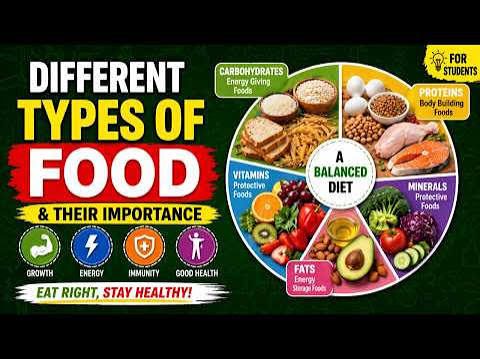
The second topic is understanding what whole and real foods are, because this helps build food literacy. As the nutritionist explains, “This concept makes them understand as to what are some things they can pick from the whole food pyramid.” It is equally important for students to understand why they need to consume more whole foods as compared to processed and sugary foods, considering their impact on cognition and overall functioning.
And the last lesson is meal prep and culinary literacy. Deepsikha Jain believes, “This skill will make the students more independent in the future.” Not only can this skill help them save money, but it can also make them feel more confident and reduce food anxiety. It also helps students understand how to plate their food and put together a balanced meal, ultimately contributing to their overall health.
While these lessons are especially important for students, they are equally relevant for adults.